Enhancing Water Management on Your Property
Proper water management is essential for the health and safety of your property. When excess water accumulates, it can lead to erosion, foundation damage, and landscape deterioration. Installing effective drainage solutions as part of your landscaping plan can help mitigate these issues. This guide explores how thoughtful design and strategic placement of landscaping elements improve drainage and protect your property from water-related problems.
The Role of Strategic Planting in Water Control
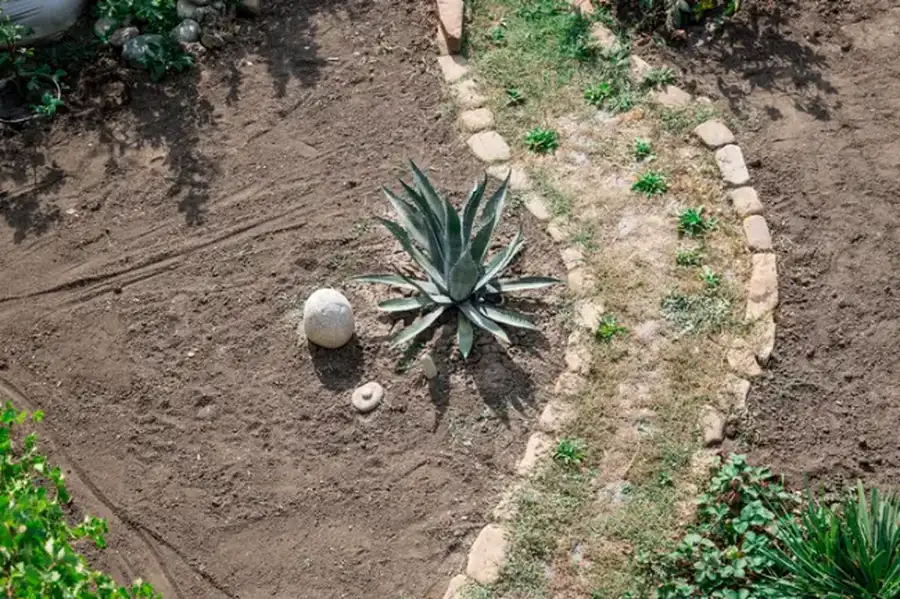
One of the crucial aspects of managing water runoff involves strategic planting during a landscape installation. By selecting native plants that thrive in your local climate, you can create natural barriers that absorb rainwater effectively. These plants also help reduce soil erosion by stabilizing the ground with their root systems, allowing you to maintain healthier soil conditions.
Hardscape Elements Contributing to Effective Drainage
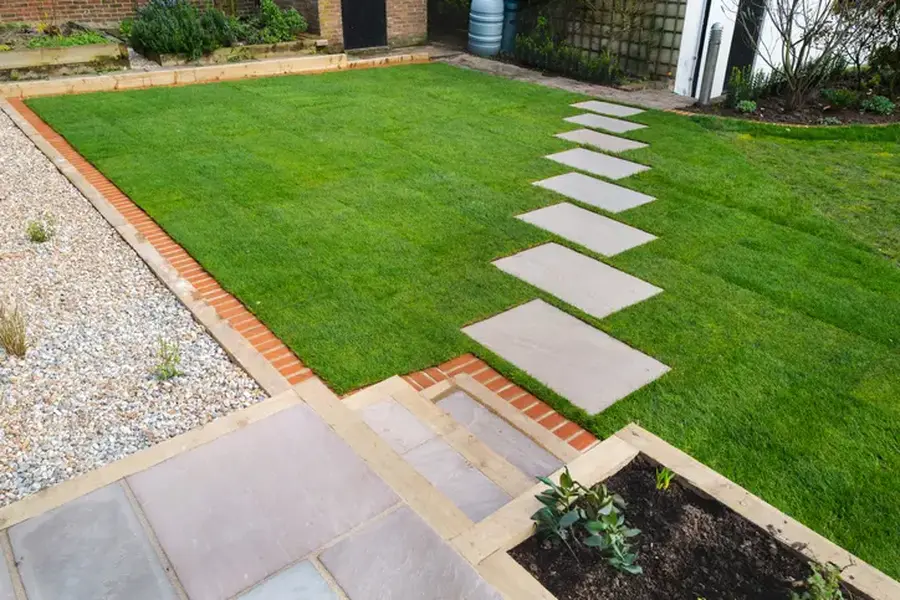
Incorporating hardscape features into your landscape installation not only enhances aesthetics but also improves drainage efficiency. For instance, permeable pavers allow water to seep through them, reducing surface runoff and preventing flooding. Retaining walls can be designed to direct water flow away from vulnerable areas, protecting structures like patios and walkways.
Utilizing Grading Techniques for Optimal Water Flow
An often overlooked aspect of landscape installation is grading, which involves shaping the land to facilitate proper water drainage. By ensuring that your yard has a slight slope away from buildings, you can prevent water accumulation near foundations. Proper grading directs water towards designated drainage areas, minimizing the risk of waterlogging and related damage.
- Create a natural slope away from structures
- Use swales to channel water towards drainage points
- Maintain regular inspection and adjustment of grading
The Importance of Efficient Gutter Systems
A well-designed gutter system plays an integral role in managing stormwater on your property. Connecting gutters with drains or downspouts directs rainwater away from vulnerable areas, reducing the chances of erosion and structural damage. Regular cleaning and maintenance ensure that these systems continue functioning effectively, especially during heavy rainfall.
Sustainable Practices in Property Drainage
Implementing sustainable practices within your landscaping strategy can further enhance property drainage. Rain gardens are one such solution; they collect and filter rainwater, allowing it to slowly infiltrate back into the ground. Additionally, using mulch around plants helps retain moisture while reducing evaporation and weed growth.
- Select drought-resistant plant species
- Incorporate rain barrels for collecting roof runoff
- Regularly maintain all drainage systems
Cost Considerations for Implementing Drainage Solutions
Investing in improved drainage solutions may involve upfront costs; however, it provides long-term savings by protecting your property from water damage. Consider factors such as material selection, labor expenses, and ongoing maintenance when planning your budget. It’s advisable to consult with professionals who can offer tailored advice based on specific needs and site conditions.
Conclusion: Safeguarding Your Property Through Thoughtful Design
Improving drainage through landscape installation protects both aesthetic value and structural integrity. Thoughtful design incorporating plants, hardscapes, and efficient grading creates an environment capable of handling excess water naturally. For residents in Yucca Valley, CA seeking reliable solutions, High Desert Vista Landscaping offers expertise tailored to individual needs. Contact us at (760) 230-4448 today for personalized consultation.